Vintage Floral: Timeless Charm for Modern Creative Projects
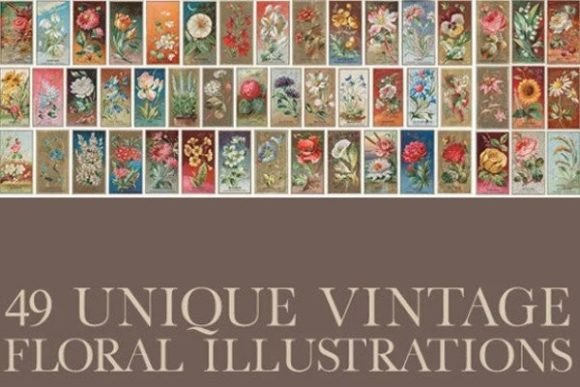
There’s something uniquely captivating about the delicate beauty of a vintage floral illustration. The faded petals, intricate linework, and soft, nostalgic colour palettes evoke a sense of history and romance that brand-new digital art often struggles to match. For scrapbookers, card makers, and mixed-media enthusiasts, these heritage designs provide a shortcut to a classic, heirloom aesthetic. This article explores how a thoughtfully curated collection of 49 restored vintage floral illustrations can become a versatile cornerstone of your creative toolkit—solving real-world design challenges while saving you hours of painstaking editing work.
The Appeal of Vintage Floral Art in Personal Creativity
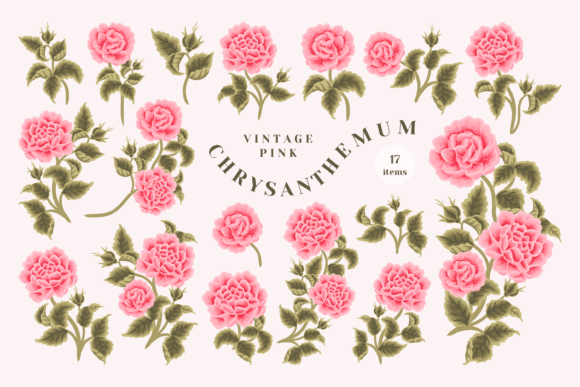
Vintage floral motifs have never truly gone out of style, but their popularity in papercrafting, journaling, and DIY design has surged in recent years. People are drawn to the authenticity of antique botanical plates, Victorian seed packet art, and centuries-old herbarium samples. These images communicate warmth, sentiment, and a love of nature that feels personal and meaningful. Whether you’re documenting a family milestone, creating handmade wedding invitations, or decorating a journal page, a vintage floral touch can elevate the emotional impact of your work. The challenge, however, is finding high-quality source material that’s ready to use without hours of cleanup.
Overcoming Common Design Barriers with High-Quality Digital Assets
Many crafters and designers start with a clear vision but hit a wall when sourcing appropriate artwork. Public-domain scans of antique flower prints often come with a host of problems: yellowed paper backgrounds, tears, creases, faded ink, or low resolution that falls apart when printed at any decent size. Manually restoring old botanical images is a labour of love, but not everyone has the time or the advanced photo-editing skills to remove stains, adjust contrast, and bring back crisp detail. That’s where a professionally curated and hand-edited collection of vintage floral illustrations makes an enormous difference. Every image has been carefully cleaned, repaired, and balanced, so you can skip straight to the fun part—creating.
Why Print-Ready Resolution Matters
One of the most frustrating experiences for a crafter is falling in love with a digital image, only to discover it turns pixelated and blurry on a printed card. Resolution is a hidden deal-breaker. A stunning vintage floral design loses all its charm if the petal edges smear into an indecipherable blur. The collection of 49 illustrations we’re exploring is saved at a generous 300 dpi (dots per inch), the industry standard for crisp, professional-quality prints. Each file is large enough to be resized, layered, or cropped without sacrificing the fine veins of a leaf or the subtle shading of a rose. This high-resolution foundation ensures your finished projects look polished, whether they are printed at 5x7 inches or incorporated into larger-scale wall art.
Practical Ways to Use a Vintage Floral Illustration Collection
A versatile set of vintage floral images invites experimentation across countless creative mediums. Here are some of the most rewarding ways to put these illustrations to work:
- Handmade greeting cards – Layer a softly tinted rose or fern behind a simple sentiment for an instant heartfelt message.
- Scrapbook and memory-keeping layouts – Use floral clusters as corner embellishments or background patterns that gently frame photographs without overwhelming them.
- Junk journals and ephemera packs – Print and tear the images, then dye them with coffee or tea for a truly aged, tactile feel.
- Wedding and event stationery – Incorporate botanical elements into save-the-date cards, menus, or favour tags for a cohesive rustic-elegant theme.
- Fabric transfers and home décor – With the right transfer medium, high-resolution florals can adorn cushions, tote bags, or framed DIY wall art.
- Digital collage and social media graphics – Combine several images into a moody, ethereal composition for blog banners or Instagram posts.
Elevating Scrapbook Layouts and Memory Keeping
Scrapbookers know that the right embellishment can tell a story all on its own. A vintage floral illustration often acts as a visual whisper—adding softness to a heritage layout, or creating contrast against modern, geometric paper. Because the collection comes in universal JPG format, it works seamlessly with popular software like Photoshop Elements, Canva, or even basic word processors. You can easily size a floral spray to fit a small journaling tag, or blow it up to a full 12x12 background. The restored details stand up to close inspection, so your pages maintain a handcrafted quality that feels genuine, not mass-produced.
Crafting Unique Greeting Cards and Stationery
Store-bought cards can feel impersonal, but designing your own often requires artistic confidence. A library of polished vintage floral images levels the playing field. Simply choose an illustration that matches the recipient’s taste—perhaps a sprig of lavender for a calming birthday wish, or a bold crimson peony for an anniversary. Print, trim, and adhere it to high-quality cardstock, then add a hand-lettered message or a heat-embossed sentiment. The result is a one-of-a-kind piece of art that communicates thoughtfulness and effort. Because the files are large and print-ready, you can even create matching envelope liners or coordinating gift tags without losing image crispness.
Enhancing Digital and Print Collage Art
Collage artists often work by layering multiple textures and elements. The 49 restored images offer a rich palette of botanical forms—delicate ferns, full-blown roses, trailing ivy, and whimsical wildflowers. Each file’s high resolution means you can isolate a single bloom, recolor it digitally, and combine it with typography or abstract shapes. The JPG format ensures broad compatibility, and the 300 dpi resolution means you don’t have to worry about scaling the image up later. If you enjoy hybrid projects—starting digitally and printing for hand-embellishment—this collection bridges the gap smoothly.
How Restored Illustrations Save Time and Deliver Authenticity
The difference between a raw scan of a century-old book plate and a professionally restored vintage floral illustration is striking. Restoration involves correcting colour casts, manually removing distracting blemishes, deepening faded lines, and often rebuilding tiny missing details pixel by pixel. When you attempt this yourself, you might spend forty minutes on a single image—and still be left with an uneven result. The collection mentioned here has all that careful retouching already completed by hand, meaning you receive authentic-looking imagery that is clean, balanced, and ready to drop into any project. This frees you to focus on composition, storytelling, and the emotional resonance of your craft.
Choosing the Right Vintage Floral Images for Your Project
With 49 distinct illustrations, it can be helpful to think about mood, scale, and colour harmony. Here are a few considerations:
- Mood and era – Some botanical designs lean toward the romantic Victorian era with full, lush flowers; others feel lighter and more whimsical, like French country wildflowers. Decide on the atmosphere you want to create.
- Colour palette coordination – Most vintage floral images carry a natural patina of muted greens, dusty pinks, and faded blues. They pair beautifully with kraft paper, linen textures, or creamy white cardstock. If your project uses bolder colours, you can digitally alter the hue of the flowers without losing the intricate linework.
- Negative space and placement – Look for illustrations with transparent or clean white backgrounds that allow you to place the blooms exactly where you need them. Some of the images may be clusters that work as focal points, while others are single stems perfect for borders and corners.
- Print versus screen use – Since all files are JPG and 300 dpi, you’re covered for both. However, if you plan to use the designs primarily for web graphics, remember to export at a lower resolution for faster loading times, while always keeping the high-res master file for future print needs.
From Digital File to Finished Creation: Tips for Success
To get the most out of your vintage floral collection, consider these practical implementation tips:
Test print on your chosen paper. Even at 300 dpi, different papers absorb ink differently. A textured watercolour paper can give the printed image an extra layer of antique charm, while glossy photo paper will intensify contrast. Print a small sample before committing to your final piece.
Layer thoughtfully. One of the strengths of digital floral elements is the ability to layer them behind or in front of other design components. Use a soft drop shadow sparingly to add depth on screen, or physically decoupage layers for a dimensional scrapbook page.
Store and organise your files. A collection of 49 images can grow unwieldy without a system. Create folders by flower type, colour, or intended use (e.g., “card focals,” “small accents”). This small investment of time will streamline your creative workflow dramatically.
Respect licensing terms. While the images are digital and ready to use, always review the specific permissions that come with your download. Many creative resources allow unlimited personal use and even commercial use for small handmade products, but it’s worth confirming so you can craft worry-free.
Blend with other materials. A vintage floral illustration truly shines when combined with tactile embellishments—think lace scraps, pressed real flowers, wax seals, or antiqued metal charms. The digital foundation supplies the visual poetry, while the physical additions create an irreplaceable handmade touch.
Adopting a collection like this transforms not only your project outcomes but also your creative process itself. Instead of expending energy on source-hunting and clean-up, you can immerse yourself in the joy of making. Each restored bloom becomes a building block for expression, waiting to be arranged into something new and deeply personal. Whether you are a seasoned scrapbook artist or someone just beginning to explore the world of DIY paper goods, the marriage of old-world artistry and modern digital convenience offers a pathway to truly satisfying creativity—and a final product that feels straight from the heart.