Evaluating Boho Floral Abstract Background Vectors for Your Design Projects
Designers, small business owners, and content creators frequently encounter the term boho floral abstract background vector while searching for versatile digital assets. This style blends free-spirited botanical elements with non-representational shapes, resulting in a visual language that feels both organic and contemporary. Before adding such a file to your cart or downloading a free sample, it is worth examining what these backgrounds actually deliver, where they excel, and what limitations might affect your work.
What Defines a Boho Floral Abstract Background Vector
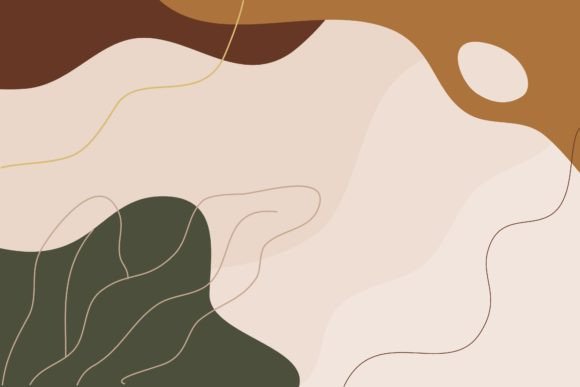
At its core, a boho abstract background vector file image combines two distinct design approaches. The floral component draws from nature — think leaves, petals, vines, and botanical silhouettes rendered in a relaxed, hand-drawn or stylized manner. The abstract layer introduces geometric shapes, fluid lines, or asymmetrical compositions that prevent the design from feeling overly literal or traditional. Together, they create a contemporary bohemian look that references folk art, textile patterns, and mid-century modern influences without committing fully to any single origin point.
What distinguishes a vector version from a standard raster image is scalability and editability. A true boho floral abstract background vector can be enlarged to billboard dimensions or shrunk to a business card without pixelation. The internal structure uses mathematical paths rather than fixed pixels, which unlocks significant flexibility during the design process.
Why Creatives Seek Out This Style
Interest in boho-inspired design assets has grown steadily across wedding stationery, social media branding, home decor printing, and digital product creation. The appeal largely rests on the aesthetic's ability to feel warm and approachable while still appearing intentional and designed. Unlike stark minimalist patterns, a boho floral abstract composition introduces texture and movement. Unlike hyper-realistic floral photography, it offers stylization that integrates more smoothly into branding systems and layout designs.
For someone building a visual identity around natural materials, earthy color palettes, or an artisanal brand personality, this type of background can serve as a unifying visual thread. It bridges the gap between structure and spontaneity, which is precisely the tension many contemporary brands aim to strike.
Practical Benefits of Vector File Formats
When a product listing indicates you will receive EPS vector file, AI vector file, and JPG image file formats, each serves a distinct purpose in your workflow. Understanding these differences helps you assess whether the package meets your actual needs or includes unnecessary extras.
- EPS (Encapsulated PostScript): A widely compatible vector format that opens in most professional design software. It preserves paths, color data, and scalability. If you collaborate with print vendors or other designers, EPS files tend to transfer reliably across different systems.
- AI (Adobe Illustrator): The native format for Adobe's vector application. AI files retain full layer structure, editable text elements, and any effects applied within Illustrator. This format matters most if you use Illustrator as your primary tool and want maximum editability without conversion steps.
- JPG (Raster Image): A flattened, compressed image at a specific resolution. The JPG serves as a quick reference or immediate-use file for projects that do not require scaling. It loads easily into presentation mockups, social media drafts, or basic document layouts.
Having all three formats in one package reduces the need to convert files manually. However, the practical value depends on whether your software ecosystem supports EPS and AI editing or whether you primarily work with raster-based tools.
Where a Boho Abstract Background Excels
This style shines in applications where mood matters as much as information. Wedding invitations, greeting cards, and event signage often benefit from the gentle visual interest a boho floral abstract background vector provides. The design supports text overlays without overwhelming them, especially when the vector's color saturation is moderated or a subtle opacity adjustment is applied.
Digital products represent another strong fit. E-book covers, podcast artwork, website hero sections, and downloadable printables all gain a cohesive, curated look when anchored by a thoughtfully chosen background. Because vectors scale infinitely, the same file can appear on a smartphone screen and a large-format printed banner without quality degradation — a practical advantage for brands that operate across multiple mediums.
Home decor applications, including framed art prints, throw pillow patterns, and wall decals, also align naturally with the boho floral abstract aesthetic. The style's organic quality translates well to physical spaces where rigid geometry might feel cold or impersonal.
Tradeoffs and Limitations to Consider
No design asset suits every context, and a boho abstract background vector file image carries inherent tradeoffs worth acknowledging before purchase or use.
The aesthetic itself can feel tied to a specific moment in design trends. While bohemian influences have demonstrated staying power, the particular combination of floral and abstract elements may not align with brands pursuing a sleek, corporate, or technology-forward identity. If your visual direction leans toward sharp lines, monochromatic palettes, or ultra-minimal compositions, this style might introduce visual dissonance rather than harmony.
Color customization, while possible with vector files, requires a degree of technical comfort. Changing a background's color scheme in Illustrator or similar software involves selecting and adjusting multiple path fills, gradients, or grouped elements. It is not an insurmountable task, but someone expecting one-click color swaps may find the process more involved than anticipated. The included JPG file offers no color editing flexibility at all — it is a fixed, flattened output.
File organization within the AI and EPS downloads can also vary between creators. Some design sellers provide meticulously labeled layers and groups. Others deliver a single flattened vector layer that limits selective editing. If precise control over individual floral elements matters to your project, verifying layer structure before committing becomes important.
When Alternatives May Be Worth Considering
Despite the versatility of vector backgrounds, certain scenarios call for different approaches. If your project requires photographic realism — product packaging that must depict actual flowers, for example — a high-resolution photograph or 3D render serves the purpose better than a stylized vector composition. Abstract designs suggest rather than depict, and that suggestion may not carry enough visual weight for applications demanding literal representation.
Projects with extremely tight file size constraints, such as email graphics or certain web animations, might also benefit from optimized raster images or SVG code designed for minimal payload. A full AI or EPS file can be heavy, and while export settings can reduce output size, starting with a leaner format might simplify the workflow.
If licensing terms matter to your commercial use case, examine the specifics of each product's usage rights. Some backgrounds permit unlimited commercial application, while others restrict use on merchandise or resale as standalone design assets. The presence of the source vector file does not automatically grant unrestricted commercial rights, and clarifying this point prevents downstream complications.
Assessing Alignment With Your Goals
Choosing a boho floral abstract background vector ultimately comes down to three intersecting factors: your aesthetic direction, your technical environment, and your end-use requirements. A few reflective questions can sharpen the decision.
First, does your visual identity already incorporate organic shapes, earthy tones, or a handcrafted sensibility? If so, the background reinforces existing brand signals rather than introducing a discordant note. If your brand leans clinical or industrial, the fit becomes less natural.
Second, do you or your team have access to vector editing software? Without it, the EPS and AI files lose much of their practical value, and you may be paying for capabilities you cannot access. In that case, prioritizing high-resolution JPG or PNG alternatives might prove more cost-effective.
Third, how much customization do you realistically intend to perform? If the colors, scale, and composition of the background work for your project as-is, the JPG file alone might suffice. If you plan to recolor, rearrange, or extract individual floral elements, the vector source files become essential.
Making a Confident Selection
The market offers a wide range of boho-inspired vector backgrounds, from delicate line-art florals on neutral backdrops to bold, saturated abstract compositions. Evaluating them through the lens of your specific constraints — rather than being drawn solely to the preview image — leads to better outcomes. Pay attention to file format details, layer structure, licensing terms, and the practical demands of your intended application.
A boho floral abstract background vector can serve as a quietly effective design foundation when it aligns with your visual language and workflow capabilities. Understanding its strengths and limits transforms an aesthetic preference into a practical, purposeful choice.