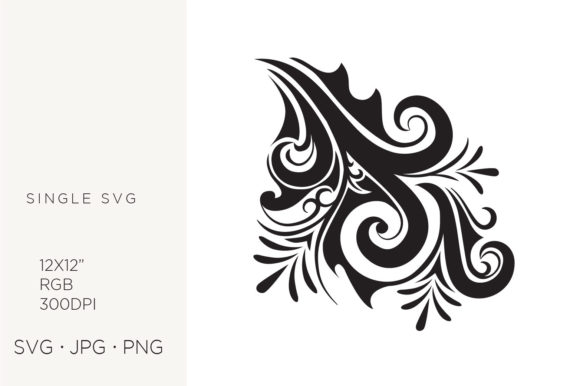
The Transformative Power of Abstract Floral Design in SVG: Blending Nature, Mindfulness, and Digital Creativity
In the ever-evolving landscape of digital design, the convergence of organic motifs and contemplative traditions has opened new avenues for visual expression. At the heart of this creative intersection lies abstract floral design, a versatile aesthetic language that transcends literal representation to evoke emotion, balance, and inner stillness. When rendered as scalable vector graphics, particularly in the universally accessible SVG format, these designs become powerful tools for creators who seek both technical precision and spiritual resonance in their work.
The marriage of abstract floral patterns with Buddhism and meditation clipart represents more than a passing trend. It reflects a deeper collective yearning for visual content that soothes the mind while serving practical design objectives. Whether you are a graphic designer preparing a brand identity, a craftsperson creating handmade cards, or a web developer integrating mindful aesthetics into user interfaces, understanding the nuances of vector-based floral abstraction can elevate your projects considerably.
Understanding the Aesthetic Language of Abstracted Flora
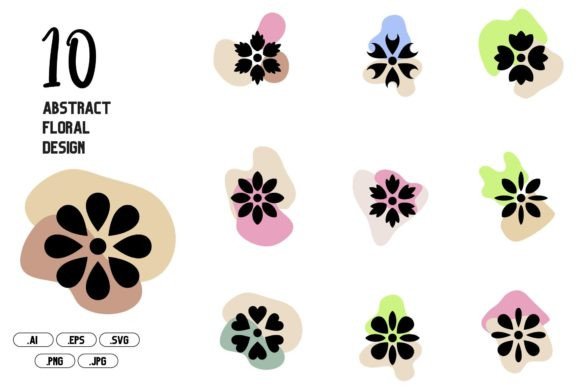
Traditional botanical illustration seeks to document every vein and petal with scientific accuracy. By contrast, abstract floral design distills the essence of plant life into simplified forms, geometric interpretations, and flowing curves that suggest rather than describe. This approach invites the viewer into a participatory visual experience, where personal interpretation and emotional response take precedence over literal recognition. The result is often more universally appealing, as abstracted flowers and foliage can resonate across cultural boundaries without being tethered to specific species or regional associations.
When abstract floral elements are infused with the principles of Buddhist art and meditation symbolism, a unique visual vocabulary emerges. The unblemished circle of the enso, the serene silhouette of a lotus emerging from murky waters, the rhythmic repetition of waves, and the balanced symmetry of mandalas all share an underlying geometry of harmony that complements abstract botanical forms seamlessly. Digital designers working with SVG files can manipulate these elements with remarkable flexibility, scaling individual components or entire compositions without any loss of quality. This is essential for projects that demand adaptability across various media, from business cards to exhibition banners.
Technical Excellence: Artboard Configuration and Color Precision
Professionally crafted design assets demand professional specifications. A standard artboard size of 12 x 12 inches provides a generous square canvas that naturally supports balanced, center-focused compositions, a format particularly well suited to mandala-inspired floral abstractions and meditative artwork. The square proportion has deep roots in sacred geometry and is frequently found in Buddhist thangka paintings and meditation diagrams, making it an intentional choice rather than an arbitrary constraint.
Setting the resolution to 300 dpi ensures that raster exports from the vector source file maintain exceptional clarity when printed. While vector formats are inherently resolution independent, designers often need to deliver companion files in pixel-based formats. The 300 dpi standard aligns with professional print requirements for everything from fine art reproductions to premium stationery. Color fidelity is equally critical. An RGB color palette preserves the luminous, screen-friendly vibrancy of meditative florals, capturing subtle gradients and ethereal glows that evoke tranquility. Designers can later convert to CMYK if specific printing workflows require it, but starting in RGB allows the full expressive range of digital color to inform the creative process.
Beyond the Mandala: Buddhist and Meditation Symbolism in Vector Art
The incorporation of Buddhism and meditation clipart into abstract floral design is not merely decorative. Each symbolic element carries layers of meaning that can enrich the narrative depth of a visual project. The lotus flower, for instance, represents purity emerging from impurity, spiritual awakening rising above attachment and desire. When rendered as an abstract SVG element, the lotus can be stylized into minimalist geometric petals, integrated into larger floral mandalas, or deconstructed into flowing lines that suggest unfolding consciousness.
Similarly, the bodhi tree leaf, the dharma wheel, the endless knot, and the parasol all offer distinctive shapes that blend beautifully with abstract botanical forms. Vector artists using Adobe Illustrator can craft these elements with clean anchor points and smooth bezier curves, ensuring that every spiritual symbol maintains its integrity whether displayed at thumbnail size on a mobile screen or enlarged for a wall mural. The SVG format preserves this mathematical precision, allowing web developers to animate individual elements subtly, perhaps causing petals to gently rotate or mandalas to pulse with a meditative rhythm through CSS keyframe animations.
Color Theory for Contemplative Design
The emotional impact of abstract floral and meditative artwork is profoundly influenced by color selection. Soft, desaturated hues such as dusty rose, sage green, muted lavender, and warm sand evoke a sense of calm and introspection. These colors mirror the natural palette found in meditation spaces and Zen gardens. When building an RGB color palette for vector-based artwork, designers have access to a spectrum far wider than print can replicate, enabling the creation of gentle glows, subtle gradients, and luminous overlays that enhance the meditative quality of the composition.
Monochromatic schemes using varying tints and shades of a single hue can produce remarkably serene abstract floral designs. A composition built entirely in layered shades of soft blue evokes sky and water, encouraging a contemplative viewing experience. Complementary color pairs, used sparingly, can introduce focal points that draw the eye to central meditative symbols. The key is restraint. Overly saturated, high-contrast palettes tend to stimulate rather than soothe, undermining the therapeutic potential of meditation-themed artwork.
Practical Applications Across Creative Disciplines
The versatility of abstract floral SVG designs extends across an impressive range of creative applications. For logo design, a simplified lotus blossom or an abstract floral monogram can convey brand values of wellness, mindfulness, sustainability, or organic beauty. The vector format ensures that the logo remains crisp on letterhead, embroidered on apparel, and displayed across digital platforms. Entrepreneurs in the yoga, spa, holistic health, and eco-friendly product sectors find particular resonance with this aesthetic.
Wall art represents another significant application. A 12 x 12 inch composition, rendered at 300 dpi and printed on fine art paper or canvas, becomes a meaningful decorative element for homes and offices. Abstract floral designs with subtle Buddhist symbolism offer visual serenity without being overtly religious, making them suitable for diverse interior environments. Digital files can be printed at local shops or through online services, giving creators the ability to produce physical products on demand.
The world of handmade craft items and printed paper goods thrives on distinctive artwork. Scrapbookers, card makers, and journal enthusiasts use abstract floral SVG elements as focal images, background patterns, or layered embellishments. Cutting machines can precisely follow vector paths to create intricate paper cuts, vinyl decals, or stencils for mixed media projects. Stationery suites for weddings, retreats, and special events benefit from the refined elegance of botanical abstraction combined with subtle spiritual motifs.
Jewelry designers have discovered the potential of vector-based floral designs as templates for laser-cut pendants, etched charms, and enameled pieces. The clean lines of SVG artwork translate beautifully to metal, wood, and acrylic, enabling the production of wearable art that carries contemplative meaning. Similarly, party decor and announcements gain a distinctive, handcrafted feel when adorned with abstract botanical elements that feel both contemporary and timeless.
File Format Strategy for Maximum Flexibility
A comprehensive design resource includes multiple file formats to serve diverse workflows. The native SVG file retains all vector properties, including editable layers, scalable paths, and pure color data. This is the format that web designers prefer for inline implementation, icon systems, and responsive graphics that adapt to any screen size. SVG files are lightweight, text-readable, and can be manipulated with CSS and JavaScript, opening possibilities for interactive and animated experiences.
JPG exports provide broad compatibility for standard printing and digital display. While lossy compression reduces some detail, JPG files at high quality settings remain perfectly suitable for many applications, including photo printing services and social media sharing. The smaller file size compared to lossless alternatives can be advantageous when emailing proofs to clients or uploading to platforms with size restrictions.
PNG files preserve transparency, making them indispensable for layered digital compositions. Designers who create marketing materials in programs that do not support SVG can place PNG elements onto colored backgrounds, photographic scenes, or textured overlays without unsightly bounding boxes. The lossless compression of PNG maintains crisp edges on text and geometric elements within the abstract composition.
Designing for Mindfulness: Process and Intention
Creating abstract floral designs that genuinely embody meditative principles requires more than simply placing a lotus icon next to some leaves. The process itself can become a mindfulness practice. Working in Adobe Illustrator, designers can approach each curve, each anchor point adjustment, each color selection with deliberate attention. The rhythmic act of building symmetrical mandalas, arranging petals in harmonious sequences, and balancing positive and negative space parallels the focused concentration of meditation.
Compositional strategies that enhance contemplative appeal include radial symmetry, which naturally draws the eye toward a central, calming focal point. Gradual scale transitions, where floral elements diminish in size as they radiate outward, create a sense of expansion and spaciousness reminiscent of meditative states. Deliberate use of white space, or empty areas within the composition, honors the Zen aesthetic principle of ma, the meaningful void that gives form to what surrounds it.
Integrating Abstract Floral Elements with Spiritual Symbolism
The most compelling designs often arise from thoughtful integration rather than simple combination. Abstract floral shapes can be constructed so that their negative spaces form silhouettes of meditation symbols. Petals might spiral in patterns that echo the dharma wheel. Vine-like curves can intertwine to create subtle endless knots. This integrated approach rewards closer inspection, allowing viewers to discover layers of meaning gradually, much like the unfolding insights of a sustained meditation practice.
Color also plays a symbolic role. Gold and saffron tones reference traditional Buddhist monastic robes. Deep indigo suggests the boundless sky of the mind. Soft pink and white evoke the delicate beauty of the lotus. An RGB color palette built with symbolic intention adds depth to abstract floral designs without requiring literal representation. The interplay of glowing light and deep shadow can suggest the dance between awareness and the unconscious, a theme central to many contemplative traditions.
Creative Exploration and Personal Expression
While professional designers require technically sound assets, the human dimension of creativity remains paramount. Abstract floral design offers endless room for personal expression. No two artists will interpret a botanical form or a meditative symbol in exactly the same way. Some will gravitate toward bold, modern geometric abstractions. Others will prefer organic, flowing lines that feel almost calligraphic. Both approaches are valid, and both can produce work of profound beauty and commercial appeal.
The digital medium enables fearless experimentation. Layers can be duplicated, transformed, recolored, and rearranged without consequence. A 12 x 12 inch artboard becomes a space for play, discovery, and refinement. Designers working late at night may find that the process of arranging abstract petals and meditative symbols becomes its own form of quiet contemplation, a creative flow state that mirrors the very stillness the artwork seeks to evoke.
Ultimately, the value of well-crafted abstract floral SVG designs lies not only in their aesthetic appeal or commercial utility but also in their capacity to communicate something ineffable. In a world saturated with noise and urgency, visuals that invite pause, reflection, and a gentle inward turn offer genuine nourishment. By mastering the technical demands of vector design while honoring the spiritual traditions that inspire contemplative imagery, creators can produce work that resonates on multiple levels, serving both practical needs and deeper human longings for beauty, meaning, and peace.